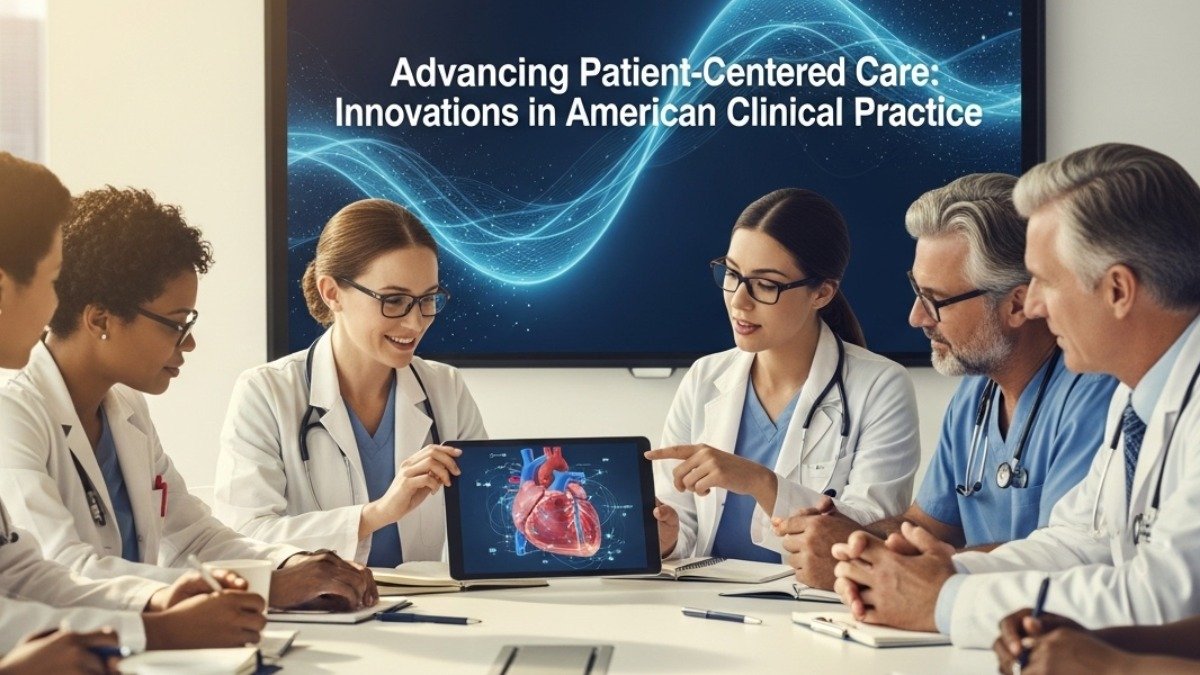
Advancing Patient-Centered Care: Innovations in American Clinical Practice
Patient-centered care has emerged as a transformative approach in modern healthcare, particularly in the United States. Moving beyond traditional models that prioritize disease treatment alone, this philosophy emphasizes holistic care that respects and responds to individual patient preferences, needs, and values. As healthcare systems evolve, innovations in technology, communication, and care delivery are driving a new era of patient-centered clinical practice.
From digital health tools to personalized medicine, American healthcare institutions are pioneering methods that empower patients, improve outcomes, and enhance satisfaction. This article explores the key innovations shaping patient-centered care and how they are redefining clinical practice across the country.
Understanding Patient-Centered Care
Patient-centered care is a healthcare approach that places the patient at the core of decision-making. It involves:
- Respecting patients’ values, preferences, and expressed needs
- Coordinating and integrating care
- Providing information, communication, and education
- Ensuring physical comfort and emotional support
- Involving family and friends when appropriate
This model recognizes that patients are not just passive recipients of care but active participants in their health journey.
The Shift from Traditional to Patient-Centered Models
Historically, healthcare systems in the U.S. operated under a provider-centric model. Physicians made decisions with minimal patient input, and care was often fragmented. However, rising healthcare costs, increased patient awareness, and the demand for better outcomes have prompted a shift toward patient-centered care.
Key drivers of this transition include:
- The rise of chronic diseases requiring long-term management
- Increased access to health information
- Policy reforms emphasizing value-based care
- Technological advancements enabling personalized treatment
Digital Health Technologies Transforming Care
Telemedicine and Virtual Care
Telemedicine has revolutionized access to healthcare by enabling remote consultations. Patients can now connect with healthcare providers from the comfort of their homes, reducing travel time and improving convenience.
Benefits include:
- Increased access for rural and underserved populations
- Reduced wait times
- Enhanced continuity of care
Virtual care platforms also support follow-up visits, mental health counseling, and chronic disease monitoring.
Electronic Health Records (EHRs)
Electronic Health Records have streamlined the documentation and sharing of patient information. They allow healthcare providers to access comprehensive patient histories, improving coordination and reducing errors.
Patient portals linked to EHRs empower individuals to:
- View test results
- Schedule appointments
- Communicate with providers
- Manage prescriptions
Mobile Health Applications
Mobile health (mHealth) apps enable patients to monitor their health in real time. These applications track vital signs, medication adherence, physical activity, and more.
Popular features include:
- Personalized health reminders
- Integration with wearable devices
- Data sharing with healthcare providers
These tools foster greater patient engagement and accountability.
Personalized Medicine and Genomics
Personalized medicine tailors treatment based on an individual’s genetic makeup, lifestyle, and environment. Advances in genomics have made it possible to predict disease risk and customize therapies.
Key innovations include:
- Genetic testing for disease susceptibility
- Targeted therapies for cancer treatment
- Pharmacogenomics to optimize medication effectiveness
This approach minimizes trial-and-error in treatment and enhances patient outcomes.
Artificial Intelligence in Clinical Decision-Making
Artificial Intelligence (AI) is playing a crucial role in improving diagnostic accuracy and treatment planning. AI algorithms analyze vast amounts of data to identify patterns and provide clinical insights.
Applications include:
- Early disease detection
- Predictive analytics for patient outcomes
- Clinical decision support systems
AI enhances efficiency while allowing clinicians to focus more on patient interaction.
Enhancing Communication and Patient Engagement
Shared Decision-Making
Shared decision-making involves collaboration between patients and healthcare providers. Patients are informed about their options and participate in choosing treatments that align with their values.
Benefits include:
- Improved patient satisfaction
- Better adherence to treatment plans
- Enhanced health outcomes
Health Literacy Initiatives
Improving health literacy is essential for effective patient-centered care. Healthcare providers are adopting strategies to ensure patients understand their conditions and treatments.
These include:
- Simplified communication
- Visual aids and educational materials
- Multilingual resources
Patient Feedback Systems
Patient feedback is increasingly used to improve healthcare services. Surveys, reviews, and real-time feedback tools help providers identify areas for improvement.
Integrated and Coordinated Care Models
Patient-Centered Medical Homes (PCMH)
The Patient-Centered Medical Home model focuses on coordinated, comprehensive care led by a primary care physician.
Features include:
- Team-based care
- Enhanced access to services
- Continuous quality improvement
Accountable Care Organizations (ACOs)
ACOs are groups of healthcare providers who collaborate to deliver high-quality care while reducing costs. They emphasize preventive care and chronic disease management.
Innovations in Chronic Disease Management
Chronic diseases such as diabetes, heart disease, and asthma require ongoing management. Patient-centered innovations include:
- Remote patient monitoring
- Digital coaching programs
- Personalized care plans
These approaches help patients maintain control over their conditions and prevent complications.
Mental Health Integration
Integrating mental health services into primary care is a significant advancement in patient-centered care. This approach ensures that psychological and emotional needs are addressed alongside physical health.
Key developments include:
- Teletherapy services
- Collaborative care models
- Digital mental health platforms
The Role of Wearable Technology
Wearable devices such as smartwatches and fitness trackers provide continuous health monitoring. They collect data on:
- Heart rate
- Sleep patterns
- Physical activity
This information helps both patients and providers make informed decisions about health and lifestyle.
Addressing Health Equity and Accessibility
Patient-centered care also focuses on reducing disparities in healthcare access and outcomes. Innovations aimed at improving equity include:
- Community-based health programs
- Mobile clinics
- Culturally competent care
Efforts are being made to ensure that all patients, regardless of background, receive high-quality care.
Value-Based Care and Policy Reforms
The shift toward value-based care aligns financial incentives with patient outcomes rather than the volume of services provided. This model encourages:
- Preventive care
- Efficient resource utilization
- Improved patient experiences
Government programs and insurance providers are increasingly adopting value-based reimbursement models.
Challenges in Implementing Patient-Centered Care
Despite significant progress, several challenges remain:
- High implementation costs
- Data privacy concerns
- Resistance to change among providers
- Interoperability issues between systems
Addressing these challenges requires collaboration between policymakers, healthcare providers, and technology developers.
Future Trends in Patient-Centered Clinical Practice
The future of patient-centered care in the U.S. is promising, with emerging trends such as:
- Advanced AI-driven diagnostics
- Expansion of telehealth services
- Greater use of big data analytics
- Personalized wellness programs
These innovations will continue to enhance the patient experience and improve health outcomes.
Conclusion
Advancing patient-centered care is reshaping American clinical practice in profound ways. By integrating technology, fostering collaboration, and prioritizing individual needs, healthcare systems are becoming more responsive and effective.
As innovations continue to evolve, the focus on patient empowerment, accessibility, and personalized treatment will remain central. The transformation toward patient-centered care not only improves outcomes but also builds a more compassionate and sustainable healthcare system.
FAQs
1. What is patient-centered care?
Patient-centered care is an approach that prioritizes the preferences, needs, and values of patients, ensuring they are actively involved in their healthcare decisions.
2. How does telemedicine support patient-centered care?
Telemedicine improves accessibility, reduces travel time, and allows patients to receive care from the comfort of their homes.
3. What role does technology play in patient-centered care?
Technology enhances communication, enables remote monitoring, supports personalized treatment, and improves care coordination.
4. What is personalized medicine?
Personalized medicine tailors treatments based on an individual’s genetic profile, lifestyle, and environment.
5. How can patients become more engaged in their care?
Patients can use digital health tools, participate in shared decision-making, and stay informed about their health conditions.
6. What are the benefits of patient-centered care?
Benefits include improved patient satisfaction, better health outcomes, enhanced communication, and more efficient healthcare delivery.
7. What challenges does patient-centered care face?
Challenges include high costs, data privacy concerns, and the need for system integration and provider training.